

Homeschooling in Georgia
Georgia homeschool laws for 2026: file your Declaration of Intent by Sept 1, teach 5 required subjects, and test every 3 years. Deadlines, record-keeping & local co-ops.
At a Glance
Georgia homeschool law overview
- Declaration of Intent
- Required annually by September 1
- Attendance
- 180 days/year, 4.5 hours/day
- Testing
- Every 3 years (nationally standardized)
- Compulsory Age
- 6-16
- Statute
- O.C.G.A. 20-2-690
Important Notice
Requirements
What you need to know to start homeschooling in Georgia
The Declaration of Intent
Before you start homeschooling in Georgia (or by September 1 of each school year if you're continuing), you must file a Declaration of Intent with your local school superintendent. This isn't an application for permission — it's a notification.
The Declaration must include:
- The name, age, and address of each child being homeschooled
- The address where the home study program will be conducted
- The name of the parent or guardian who will be providing instruction
- A statement that the children will be taught the required subjects
You can file online through the Georgia Department of Education's website at apps.gadoe.org. If you're pulling your child out of school mid-year, you need to file within 30 days of beginning your home study program. For continuing homeschoolers, the deadline is September 1 of each year.
One important note: Georgia requires that the parent or guardian providing instruction hold at least a high school diploma or GED. No teaching certificate or college degree required.
Attendance Requirements
Georgia requires 180 school days per year, with each school day consisting of at least 4.5 hours of instruction. The law counts the full scope of educational activities — reading time, educational field trips, science experiments, and music lessons all count.
You're required to keep a monthly attendance record. A simple log or calendar where you mark each school day will satisfy the requirement. Georgia's compulsory attendance age is 6 through 16.
Required Subjects
Georgia law requires that your home study program include these five core subjects:
- Reading and Language Arts
- Mathematics
- Social Studies
- Science
- Reading (listed separately from Language Arts in the statute)
There are no specific textbooks or curricula mandated by the state. You can use a pre-packaged curriculum, piece together resources from different publishers, build your own from library books, or follow an unschooling philosophy.
Record-Keeping
You must maintain:
- Monthly attendance records — a log showing each school day and confirming you're meeting the 180-day, 4.5-hour minimum
- An annual progress assessment — a written report for each child describing what was studied and how the child progressed
- Standardized test results — from every three-year test on file
These records must be available for inspection by the local superintendent upon request. Beyond the legal minimums, keeping course descriptions, work samples, and a running transcript starting in high school is invaluable for college applications.
Special Considerations
Special needs students: Georgia's home study law applies equally to students with special needs. There are no additional requirements or restrictions. However, by choosing to homeschool, you may be giving up access to certain public school services.
Umbrella programs: Georgia law allows families to homeschool independently or through a homeschool cooperative or umbrella program. An umbrella can handle some administrative requirements, offer classes, testing services, and transcript preparation. Joining one is completely optional.
High school graduation: The homeschool parent determines when the student has completed their course of study. You issue the diploma. There's no state exam or external validation required.
Evaluations & Assessment
Annual evaluation and assessment options
Georgia requires homeschooled students to take a nationally standardized achievement test every three years, beginning at the end of third grade.
Testing Schedule
Your child takes their first test at the completion of third grade, then again at sixth grade, ninth grade, and twelfth grade. If you start homeschooling mid-cycle, your child takes the test at the next scheduled interval.
Accepted Tests
The test must be a nationally standardized achievement test. Common choices include:
- Iowa Test of Basic Skills (ITBS)
- Stanford Achievement Test (SAT-10)
- California Achievement Test (CAT)
- TerraNova
- MAP Growth
Costs typically range from $30 to $75 per student. Many Georgia homeschool groups organize group testing sessions.
What Happens with Results
You keep the results. You do not submit them to the school district, the state, or anyone else. There is no minimum score requirement. The purpose is to give you a benchmark for how your child is progressing relative to national norms.
Who Can Administer the Test?
O.C.G.A. 20-2-690 requires only that the test be administered in consultation with a person trained in the administration and interpretation of norm referenced tests. The statute sets no degree requirement on the parent, and it does not name who must be in the room. In practice families satisfy it through a testing service, a homeschool co-op that organises group sessions, or another person qualified to give and interpret the test. Some test publishers set their own administrator requirements, which are separate from state law — check the requirements for the specific test you choose.
Financial Resources
Vouchers, scholarships, and tax credits
Georgia Promise Scholarship
Georgia's Promise Scholarship (Senate Bill 233, 2024) provides up to $6,500 per student per year, paid in four quarterly installments, and home study is an approved use. Funds can go toward curriculum and supplemental materials, tutoring from certified educators, online programs, occupational, behavioral, physical and speech-language therapies, accredited hybrid or microschool programs, community college and CTAE courses, and up to $500 a year in transportation.
Eligibility is narrow, and most families already homeschooling will not qualify. A student must either be a rising kindergartner or have completed two consecutive semesters in a Georgia public school, and must live in the attendance zone of a school on the Governor's Office of Student Achievement's list of the lowest-performing 25 percent. The parent must have lived in Georgia for at least a year, with an exception for active-duty military who transferred in within the past year. For spring semester, household income must be at or below 400 percent of the Federal Poverty Level; for fall, income is only a tiebreaker if applications exceed available funding.
Participating students must take annual math and language arts assessments, more often than Georgia's homeschool law otherwise requires, which is every three years beginning in third grade. The program is administered by the Georgia Education Savings Authority. Student application windows in 2026 run March 1-31, May 1-31, August 1-31 and November 1-30. Apply at mygeorgiapromise.org.
Dual Enrollment
Georgia homeschool students can participate in dual enrollment programs at local colleges and technical schools through the state's Dual Enrollment program. This is a fantastic option for high schoolers who want to earn college credit while still homeschooling. Courses are tuition-free for eligible students, and the credits transfer to most Georgia colleges and universities. Contact your local college's admissions office for specific requirements and available courses.
Extracurricular Access
The Dexter Mosely Act (Senate Bill 42), signed in 2021, allows home study students in grades 6 through 12 to participate in extracurricular and interscholastic activities at their resident public school. To qualify, you must notify the school principal and district at least 30 days before the semester, enroll in at least one qualifying course, provide your most recent progress assessment, and meet the same eligibility rules as enrolled students.
Explore Georgia Homeschooling
More resources for your homeschool journey
Frequently Asked Questions
Common questions about homeschooling in Georgia
Written by Famlo
Famlo is where families discover local groups, classes, and events — all in one place. Get clear details, RSVP fast, and keep everything organized in one calendar you can actually trust.
- Last verified
- Last verified August 2026
- Published
- Published February 22, 2026
This guide is for informational purposes only. Laws change. Verify current requirements with your local school district or consult a qualified attorney.
Homeschooling in Georgia
Classes, groups and field trips
Coming up
See all 108 in Georgia-

Launch Pad
LaGrange Memorial Library
Thu, Oct 22 • 10:00 AM
Free
-
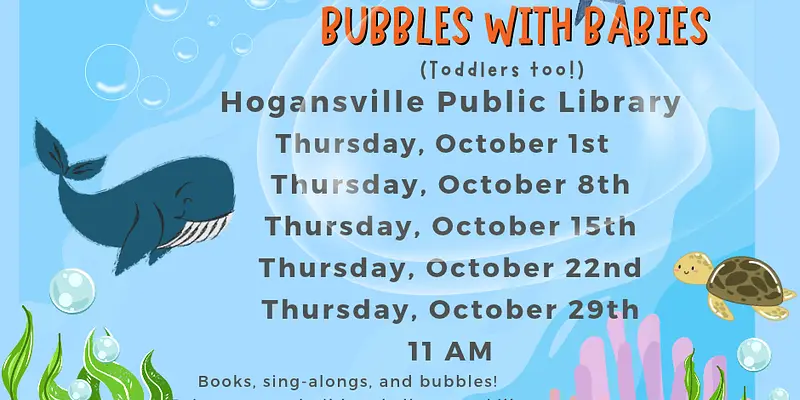
Bubbles with Babies and Toddlers Too!
Hogansville Public Library
Thu, Oct 22 • 11:00 AM
Free
-
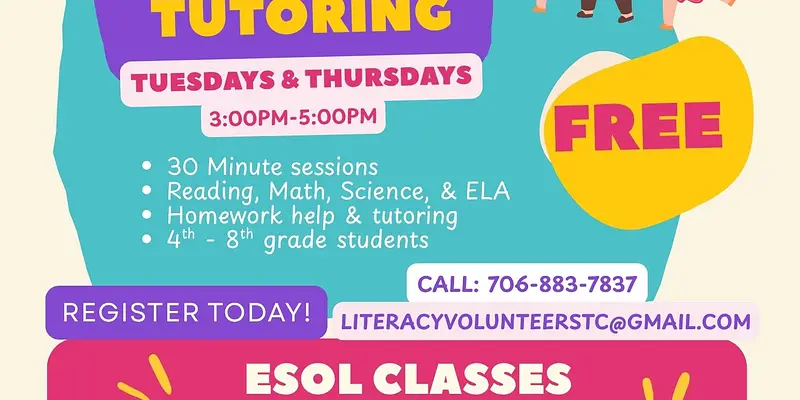
Free After School Tutoring
LaGrange Memorial Library
Thu, Oct 22 • 3:00 PM
Free
-

Closing at 3:00PM for Truck & Treat
Harris County Public Library
Thu, Oct 22 • 3:00 PM
Free
-
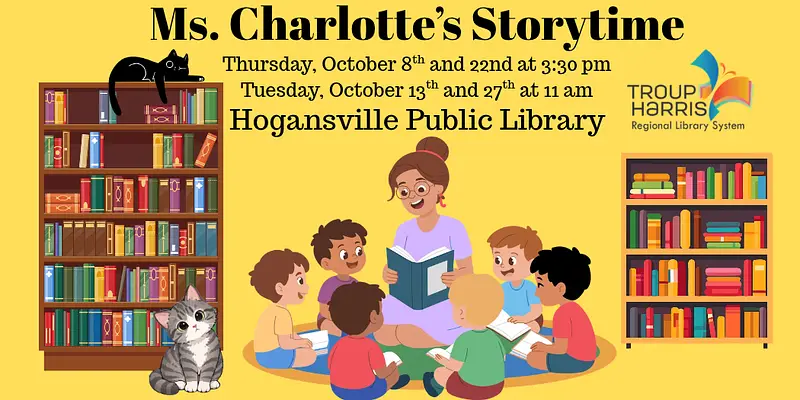
Ms. Charlotte's Storytime
Hogansville Public Library
Thu, Oct 22 • 3:30 PM
Free
-
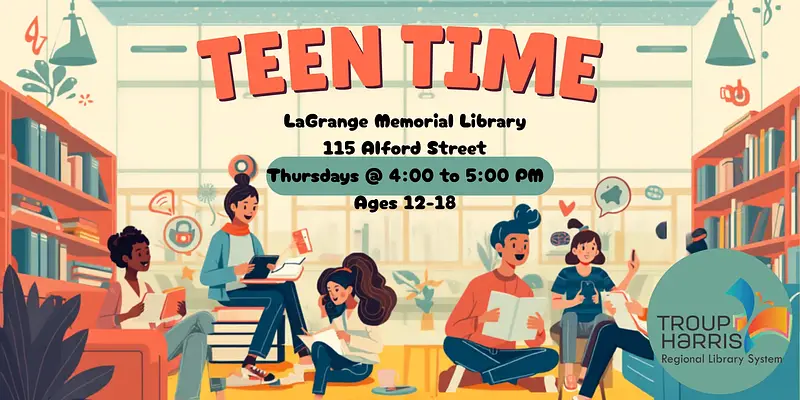
Teen Time
LaGrange Memorial Library
Thu, Oct 22 • 4:00 PM
Free
Groups and places
-
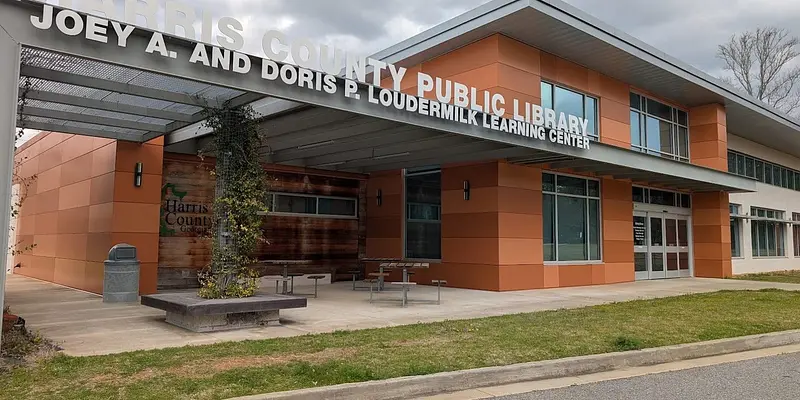 Library
Harris County Public Library
Hamilton, GA
35 upcoming activities
-
Library
Hogansville Public Library
Hogansville, GA
5 upcoming activities
-
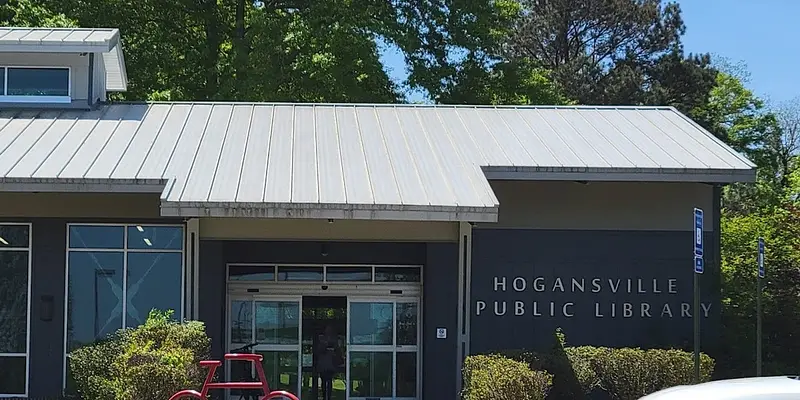 Library
Hogansville Public Library
Hogansville, GA
-
 Library
LaGrange Memorial Library
Lagrange, GA
68 upcoming activities
-
Library
Troup-Harris Regional Library
GA
1 member
Run a co-op, class or group in Georgia? Families reading this page are looking for it.
List your group — free